

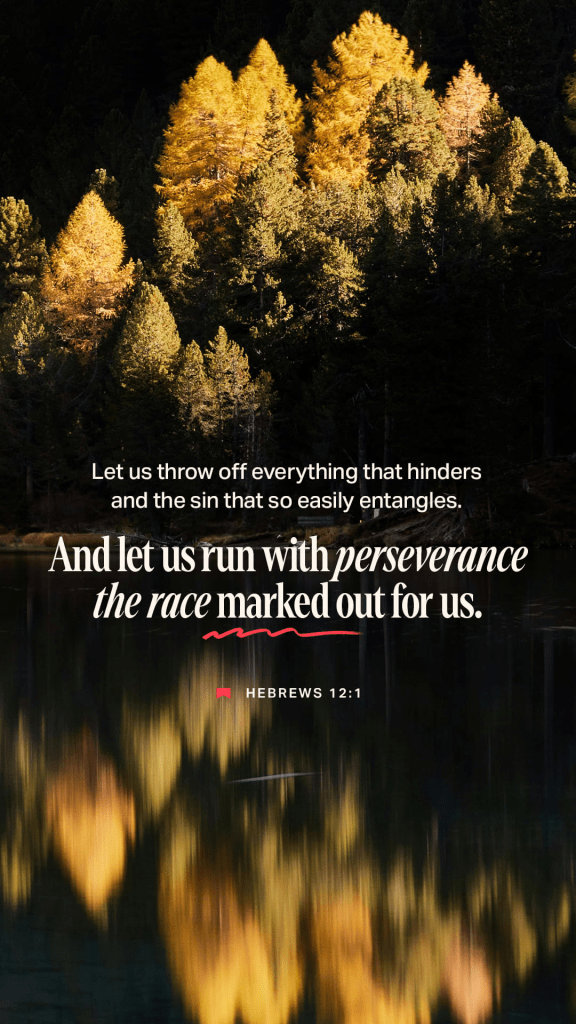
Tag: God
By Grace You Have Been Saved!

And you were dead in your transgressions and sins, in which you formerly walked according to the course of this world, according to the ruler of the power of the air, the spirit that is now working in the sons of disobedience, among whom we all also formerly conducted ourselves in the lusts of our flesh, doing the desires of the flesh and of the mind, and were by nature children of wrath, even as the rest. But God, being rich in mercy because of His great love with which He loved us, even when we were dead in our transgressions, made us alive together with Christ—by grace you have been saved— and raised us up with Him, and seated us with Him in the heavenly places in Christ Jesus, so that in the ages to come He might show the surpassing riches of His grace in kindness toward us in Christ Jesus. For by grace you have been saved through faith, and this not of yourselves, it is the gift of God; not of works, so that no one may boast. For we are His workmanship, created in Christ Jesus for good works, which God prepared beforehand so that we would walk in them. Therefore, remember that formerly you—the Gentiles in the flesh, who are called “Uncircumcision” by the so-called “Circumcision,” which is performed in the flesh by human hands— remember that you were at that time without Christ, alienated from the citizenship of Israel, and strangers to the covenants of promise, having no hope and without God in the world. But now in Christ Jesus you who formerly were far off have been brought near by the blood of Christ. For He Himself is our peace, who made both groups one and broke down the dividing wall of the partition by abolishing in His flesh the enmity, the Law of commandments contained in ordinances, so that in Himself He might create the two into one new man, making peace, and might reconcile them both in one body to God through the cross, having in Himself put to death the enmity. And He came and preached the good news of peace to you who were far away, and peace to those who were near; for through Him we both have our access in one Spirit to the Father. So then you are no longer strangers and sojourners, but you are fellow citizens with the saints, and are of God’s household, having been built on the foundation of the apostles and prophets, Christ Jesus Himself being the corner stone, in whom the whole building, being joined together, is growing into a holy sanctuary in the Lord, in whom you also are being built together into a dwelling of God in the Spirit.
— Ephesians 2:1-22
The Evidence of the New Birth

“You must be born again.” John 3:7
The answer to Nicodemus’ question, “How can a man be born when he is old?” is: Only when he is willing to die to everything in his life, including his rights, his virtues, and his religion, and becomes willing to receive into himself a new life that he has never before experienced (John 3:4). This new life exhibits itself in our conscious repentance and through our unconscious holiness. “But as many as received Him . . .” (John 1:12).
Is my knowledge of Jesus the result of my own internal spiritual perception, or is it only what I have learned through listening to others? Is there something in my life that unites me with the Lord Jesus as my personal Savior? My spiritual history must have as its underlying foundation a personal knowledge of Jesus Christ. To be born again means that I see Jesus. “Unless one is born again, he cannot see the kingdom of God” (John 3:3). Am I seeking only for the evidence of God’s kingdom, or am I actually recognizing His absolute sovereign control? The new birth gives me a new power of vision by which I begin to discern God’s control. His sovereignty was there all the time, but with God being true to His nature, I could not see it until I received His very nature myself. “Whoever has been born of God does not sin” (1 John 3:9).
Am I seeking to stop sinning or have I actually stopped? To be born of God means that I have His supernatural power to stop sinning. The Bible never asks, “Should a Christian sin?” The Bible emphatically states that a Christian must not sin. The work of the new birth is being effective in us when we do not commit sin. It is not merely that we have the power not to sin, but that we have actually stopped sinning. Yet 1 John 3:9 does not mean that we cannot sin—it simply means that if we will obey the life of God in us, that we do not have to sin.
Oswald Chambers
My Utmost For His Highest

The Discipline of the Lord

August 14
“My son, do not despise the chastening of the Lord, nor be discouraged when you are rebuked by Him.”
Hebrews 12:5
It is very easy to grieve the Spirit of God; we do it by despising the discipline of the Lord, or by becoming discouraged when He rebukes us. If our experience of being set apart from sin and being made holy through the process of sanctification is still very shallow, we tend to mistake the reality of God for something else. And when the Spirit of God gives us a sense of warning or restraint, we are apt to say mistakenly, “Oh, that must be from the devil.” “Do not quench the Spirit” (1 Thessalonians 5:19), and do not despise Him when He says to you, in effect, “Don’t be blind on this point anymore—you are not as far along spiritually as you thought you were. Until now I have not been able to reveal this to you, but I’m revealing it to you right now.” When the Lord disciplines you like that, let Him have His way with you. Allow Him to put you into a right-standing relationship before God. “. . . nor be discouraged when you are rebuked by Him.” We begin to pout, become irritated with God, and then say, “Oh well, I can’t help it. I prayed and things didn’t turn out right anyway. So I’m simply going to give up on everything.” Just think what would happen if we acted like this in any other area of our lives! Am I fully prepared to allow God to grip me by His power and do a work in me that is truly worthy of Himself? Sanctification is not my idea of what I want God to do for me—sanctification is God’s idea of what He wants to do for me. But He has to get me into the state of mind and spirit where I will allow Him to sanctify me completely, whatever the cost
(see 1 Thessalonians 5:23–24).
Oswald Chambers
My Utmost for His Highest
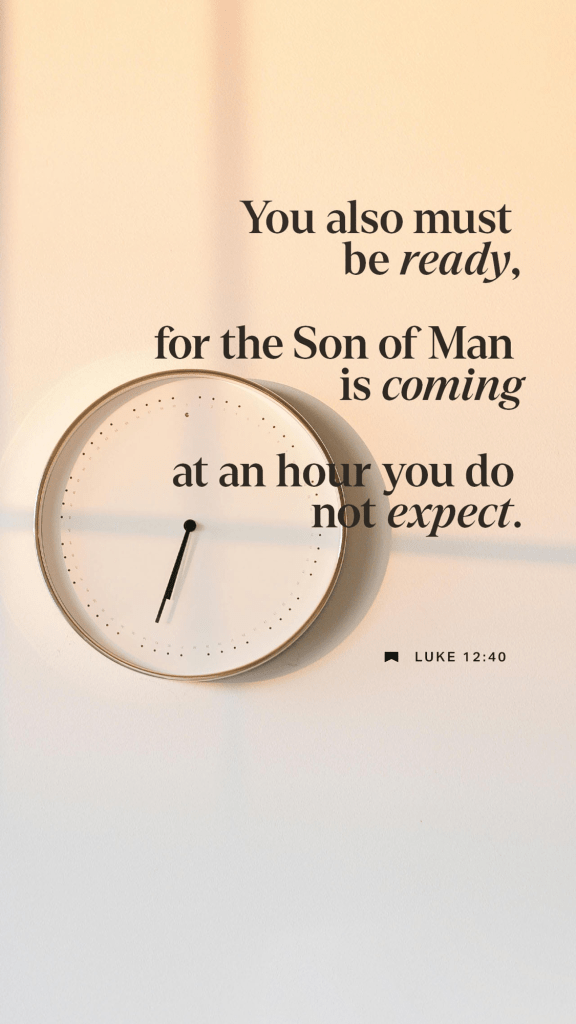
1 John

I John 1
1 That which was from the beginning, which we have heard, which we have seen with our eyes, which we have looked upon, and our hands have handled, of the Word of life;
2 (For the life was manifested, and we have seen it, and bear witness, and shew unto you that eternal life, which was with the Father, and was manifested unto us;)
3 That which we have seen and heard declare we unto you, that ye also may have fellowship with us: and truly our fellowship is with the Father, and with his Son Jesus Christ.
4 And these things write we unto you, that your joy may be full.
5 This then is the message which we have heard of him, and declare unto you, that God is light, and in him is no darkness at all.
6 If we say that we have fellowship with him, and walk in darkness, we lie, and do not the truth:
7 But if we walk in the light, as he is in the light, we have fellowship one with another, and the blood of Jesus Christ his Son cleanseth us from all sin.
8 If we say that we have no sin, we deceive ourselves, and the truth is not in us.
9 If we confess our sins, he is faithful and just to forgive us our sins, and to cleanse us from all unrighteousness.
10 If we say that we have not sinned, we make him a liar, and his word is not in us.
Judgement

Matthew 7:1-6 NLT
“Do not judge others, and you will not be judged. [2] For you will be treated as you treat others. The standard you use in judging is the standard by which you will be judged. [3] “And why worry about a speck in your friend’s eye when you have a log in your own? [4] How can you think of saying to your friend, ‘Let me help you get rid of that speck in your eye,’ when you can’t see past the log in your own eye? [5] Hypocrite! First get rid of the log in your own eye; then you will see well enough to deal with the speck in your friend’s eye. [6] “Don’t waste what is holy on people who are unholy. Don’t throw your pearls to pigs! They will trample the pearls, then turn and attack you.

Daily Word

BIBLE VERSE OF THE DAY:
Seek the Kingdom of God above all else, and live righteously, and he will give you everything you need Matthew 6:33
What does confession look like?

July 22nd
Nehemiah 9
And they stood up in their place and read from the Book of the Law of the LORD their God for a quarter of the day; for another quarter of it they made confession and worshiped the LORD their God. (Neh. 9:3)
What an instructive scene we find in Nehemiah 9, as these returned Jewish exiles confess together before the Lord. We can learn at least four lessons here about confession of sin.
1. Confession grows from conviction by God’s word. We cannot read chapter 9 apart from chapter 8, in which these people at the start of this same month gathered in Jerusalem to be read and taught the Book of the Law (the Pentateuch). This chapter also begins with reading of the Law (Neh. 9:3). In this part of Nehemiah, the word goes in, does its work by the Spirit, and comes out again in the people’s prayers: this long prayer in chapter 9 basically follows events throughout the history of Israel. They have heard the word, and it has convicted them. God’s word will do that.
2. Confession is made by God’s people. It can and must also be made individually. But this scene of corporate confession in Nehemiah 9 is significant, as “the people of Israel were assembled with fasting and in sackcloth” before the Lord (v. 1). Our sins are part of a big story of a people needing God’s cleansing and forgiveness. Our sins affect others in the body of Christ. When we make corporate confession together regularly in worship, we present ourselves before God as his repentant and forgiven people, cleansed by the blood of Christ. We help each other to confess, to turn from sin, and to trust God’s forgiveness.
3. Confession depends not on us but on the character and work of God. This prayer begins by praising God for who he is (vv. 5–6). It repeatedly affirms his mercy and grace (vv. 17, 19, 28, 31). It recalls his acts of provision and deliverance—from slavery in Egypt, through the Red Sea, with manna and water in the wilderness, from surrounding enemies, and on and on. All this gracious deliverance points ahead to the promised deliverer, Jesus Christ, and the final deliverance from sin and death accomplished on the cross and in the resurrection. The confession of God’s people depends finally on that grace and that deliverance provided for us by God himself.
4. Confession involves saying what we turn from and what we turn toward. It’s not just a feeling of regret. These people say clearly, “We have acted wickedly” (v. 33), and they enumerate the ways. They end by making a covenant with God (v. 38; see also ch. 10), committing themselves to obey his Law. Of course, these people were not perfect after this scene—far from it! They needed the promised perfect deliverer—and so do we. Praise God for his merciful forgiveness and deliverance of us, through his Son.
Crossway blog

The Law Simply Shows Us How Sinful We Are.
“As the Scriptures say, “No one is righteous— not even one. No one is truly wise; no one is seeking God. All have turned away; all have become useless. No one does good, not a single one.” “Their talk is foul, like the stench from an open grave. Their tongues are filled with lies.” “Snake venom drips from their lips.” “Their mouths are full of cursing and bitterness.” “They rush to commit murder. Destruction and misery always follow them. They don’t know where to find peace.” “They have no fear of God at all.” Obviously, the law applies to those to whom it was given, for its purpose is to keep people from having excuses, and to show that the entire world is guilty before God. For no one can ever be made right with God by doing what the law commands. The law simply shows us how sinful we are.”
Romans 3:10-20 NLT

 The Berean Christian